Gen Z rewrites resilience, and we have a lot to learn from them
Research by Amos Rex and Noren on the everyday lives of 16–18-year-olds shows that young people consciously build resilience in response to an increasingly unpredictable world.
The ethnographic research followed five diverse friend groups from the capital region and included interviews, museum and gallery visits, and participation in analysing the findings.
Faced with an uncertain future, young people craft a range of strategies to stay resilient for whatever comes, instead of staking everything on one path. They cultivate useful and empowering skills, attitudes, and relationships, while simultaneously protecting themselves from what drains their energy and confidence. Four remarkably similar strategies emerged despite differences in backgrounds and resources available:

1. Actively increasing resources
“We had studied it at school, so I had some background knowledge, which is why I was able to stay “locked -in” [during a 2-hour concert at Musiikkitalo] even though I normally can’t.”
– Mikko, 17
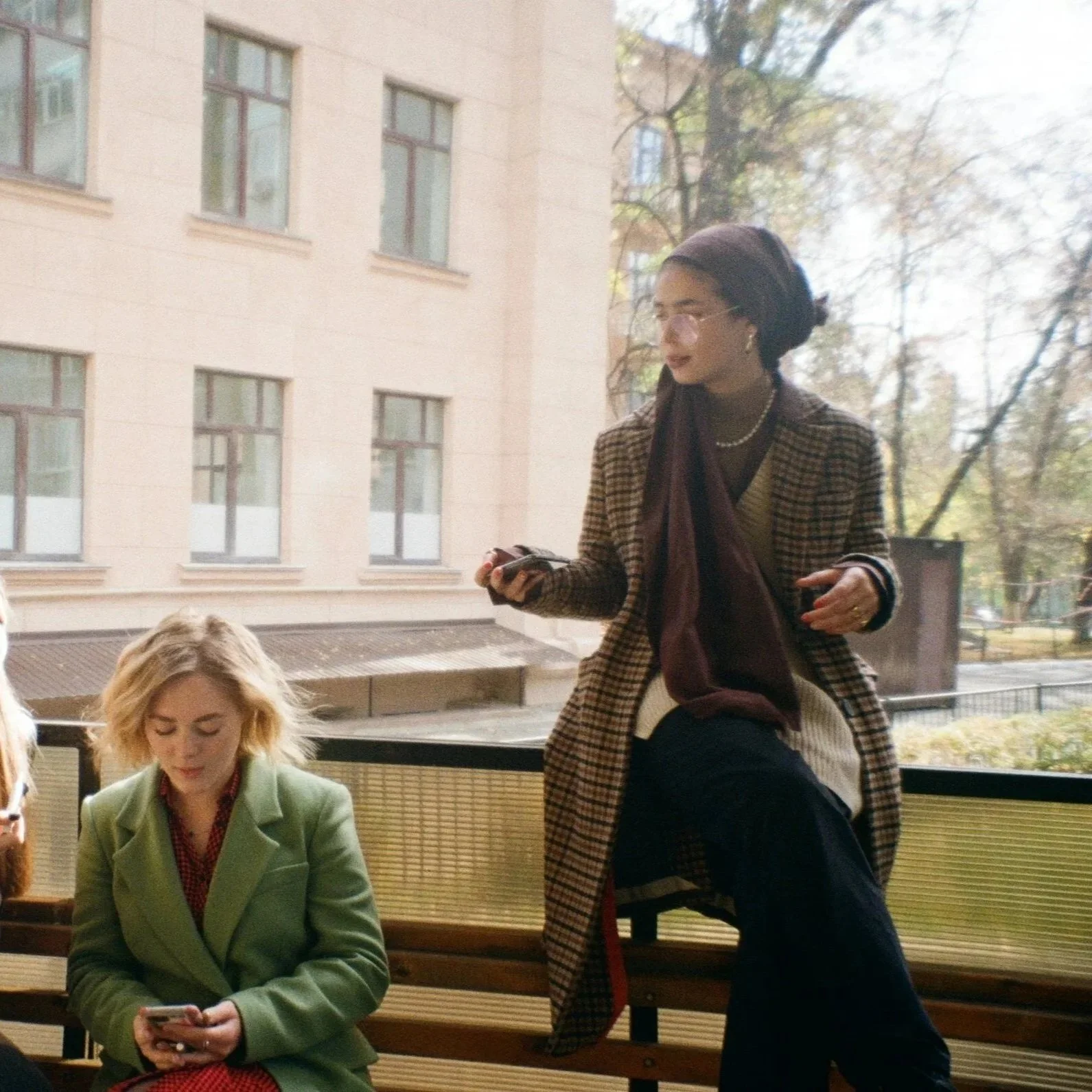
2. Protection from stressful issues
"We don't talk about politics, at least not in a big group, we don't want to disturb the peace. We stay on a superficial level. With closer friends you can talk about deeper things."
– Sean, 18
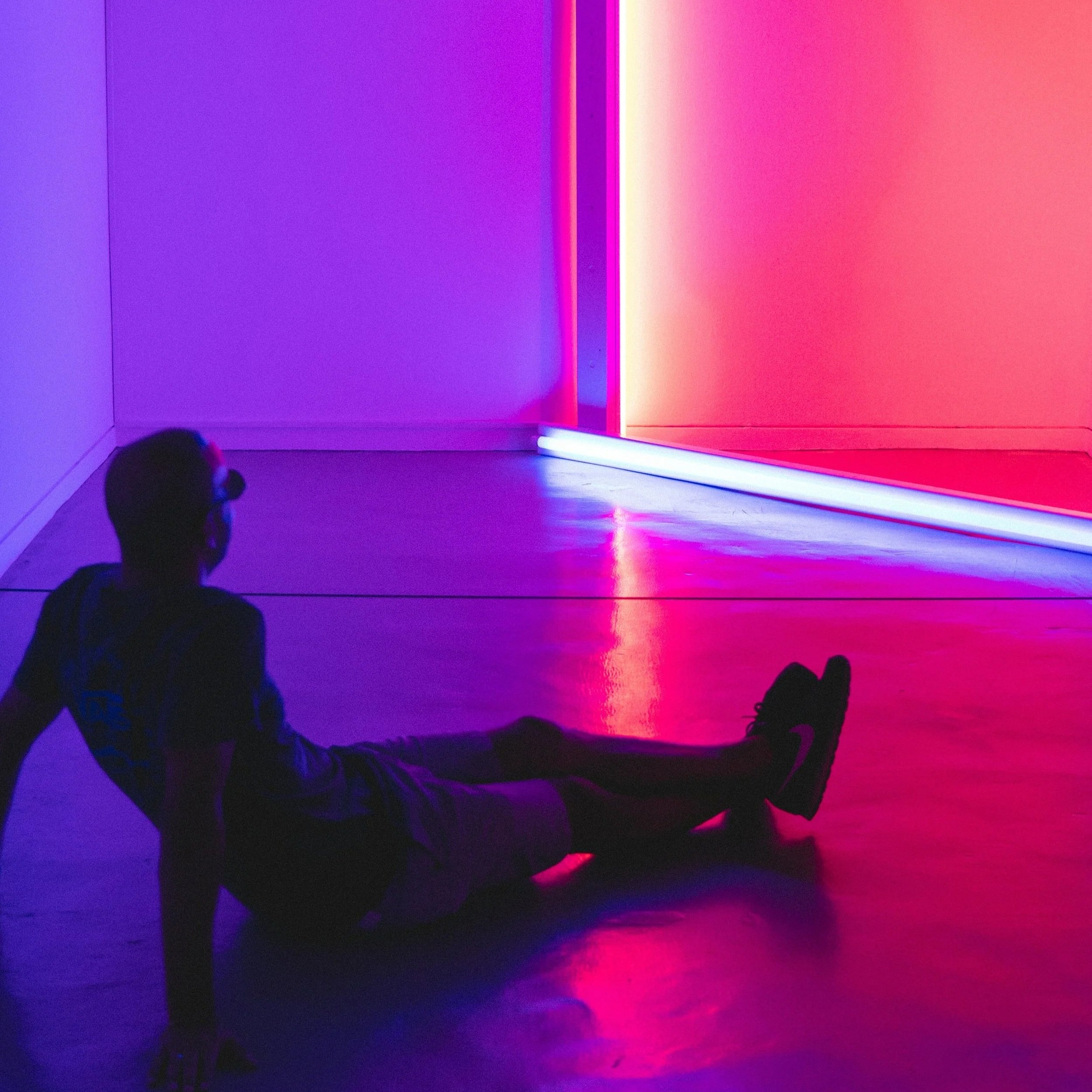
3. Enabling recovery and renewal
"At a previous Amos Rex show I liked that I could lie on my stomach and there was mood lighting … You didn't have to do anything."
– Iisa, 16
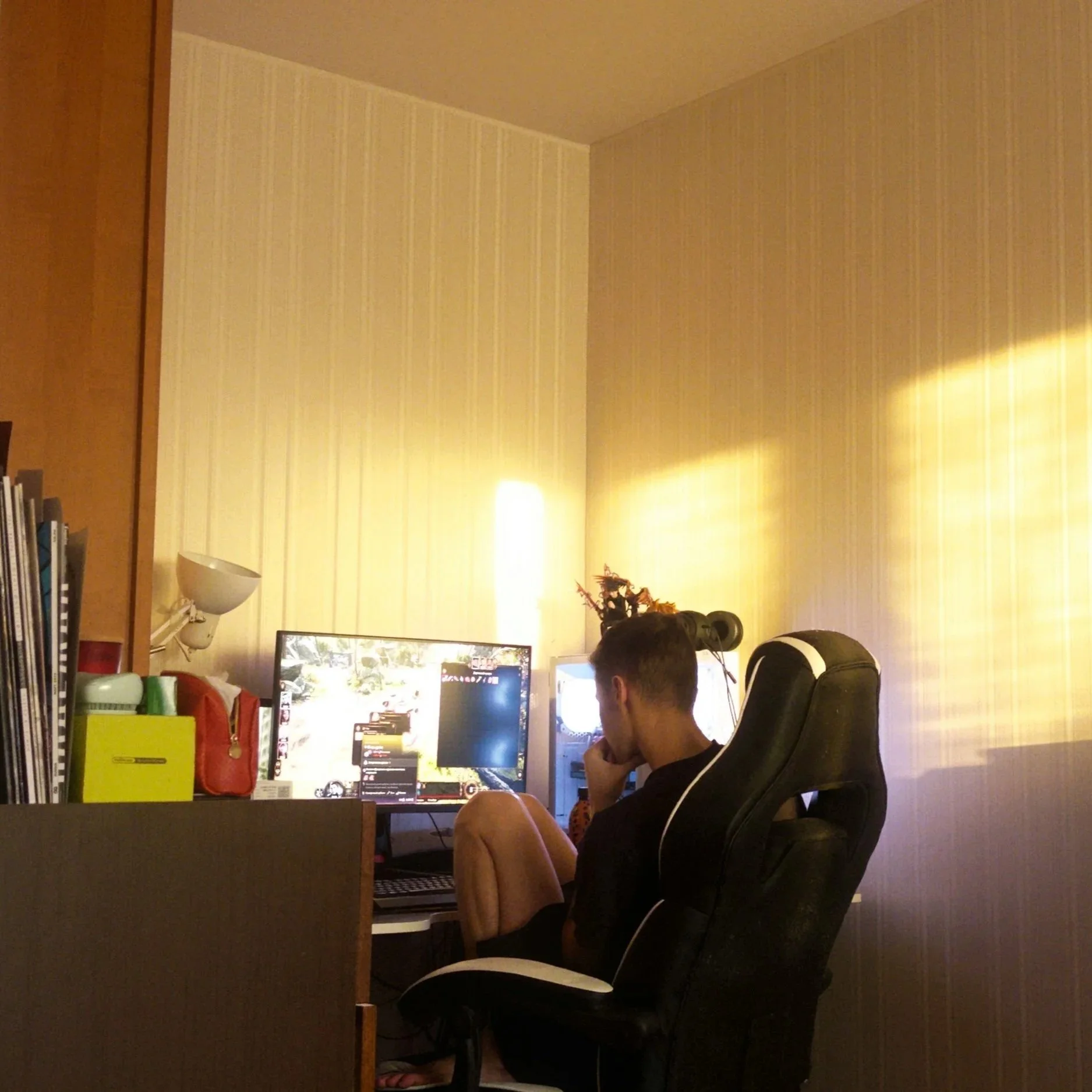
4. Self-realisation through creativity
"Minecraft can also be an art form, you can build anything from scratch… Once we discovered a secret bunker weeks after a friend had built it without anyone knowing about it."
– Mikko, 17
Belonging is not a given in cultural spaces
Positive museum experiences are often associated with having fun and hands-on learning especially in interactive museums that feel more accessible. In contrast, in more traditional fine arts institutions, young people report feeling unsure about the rules and disconnected from content that feels difficult to understand. They end up feeling subject to surveillance rather than engaging in dialogue.
Young people are actively seeking challenges, empowerment, and to counter “brain-rotting” phone scrolling. To unlock a sense of inspiration and intellectual reward, museums need to enable deeper engagement and foster a sense of inclusion for all, not only for those who already feel at home in cultural spaces.