Research shows: Pet care moves beyond ownership to interspecies companionship
“In the end, it was Pipsa who kept me going and pushed me forward, listened to me crying, and helped me cope. At that moment, the impact of the pet's role really became evident, and that it [caretaking] was mutual.”
Leevi’s*, 37, fond memory of his 13-year-old bichon frisé Pipsa, who supported him through a breakup, reflects a broader shift in how pets are seen today. In spring 2025 us at strategy consultancy Noren, together with the pet food brand MUSH, set out to explore how dog and cat owners in Finland and Sweden perceive pet ownership and what are their experiences of feeding their pets. We met people from diverse backgrounds and with different pet histories. We visited them in their homes, joined them and their dogs on forest walks, and observed feeding routines of their cats in their kitchens.
Throughout this ethnographic study, we found that how people think about their pets has profoundly changed. Instead of hearing stories about ‘fur babies’ or birthday parties for pets, we were told about the species-specific and individual needs of pets. Rather than being described solely as family members to be cared for, the relationships between humans and their pets was described increasingly as an equal partnership. The defining trend of earlier years – the humanisation of pets – was questioned, and mutual care and wellbeing between humans and animals was emphasised.
From a watchdog to a family member – and now into a companion
A hundred years ago, pets were mainly valued for their function: dogs hunted or herded, cats kept pests away. Over recent decades, pets have moved from outdoors into our homes and laps and became family members. Increasingly, the role of cats and dogs in our lives was not solely about their function, but about their sociability and cuteness. Yet for a long time, we have understood them through our own, a very human, point of view, and an entire industry has grown around it. Pets have been bred to fit our aesthetic ideals, even at the expense of their health, and they have become social media personalities and fashion accessories carried in handbags. Pets moved closer to humans, but their needs and worth were still defined through a human lens.
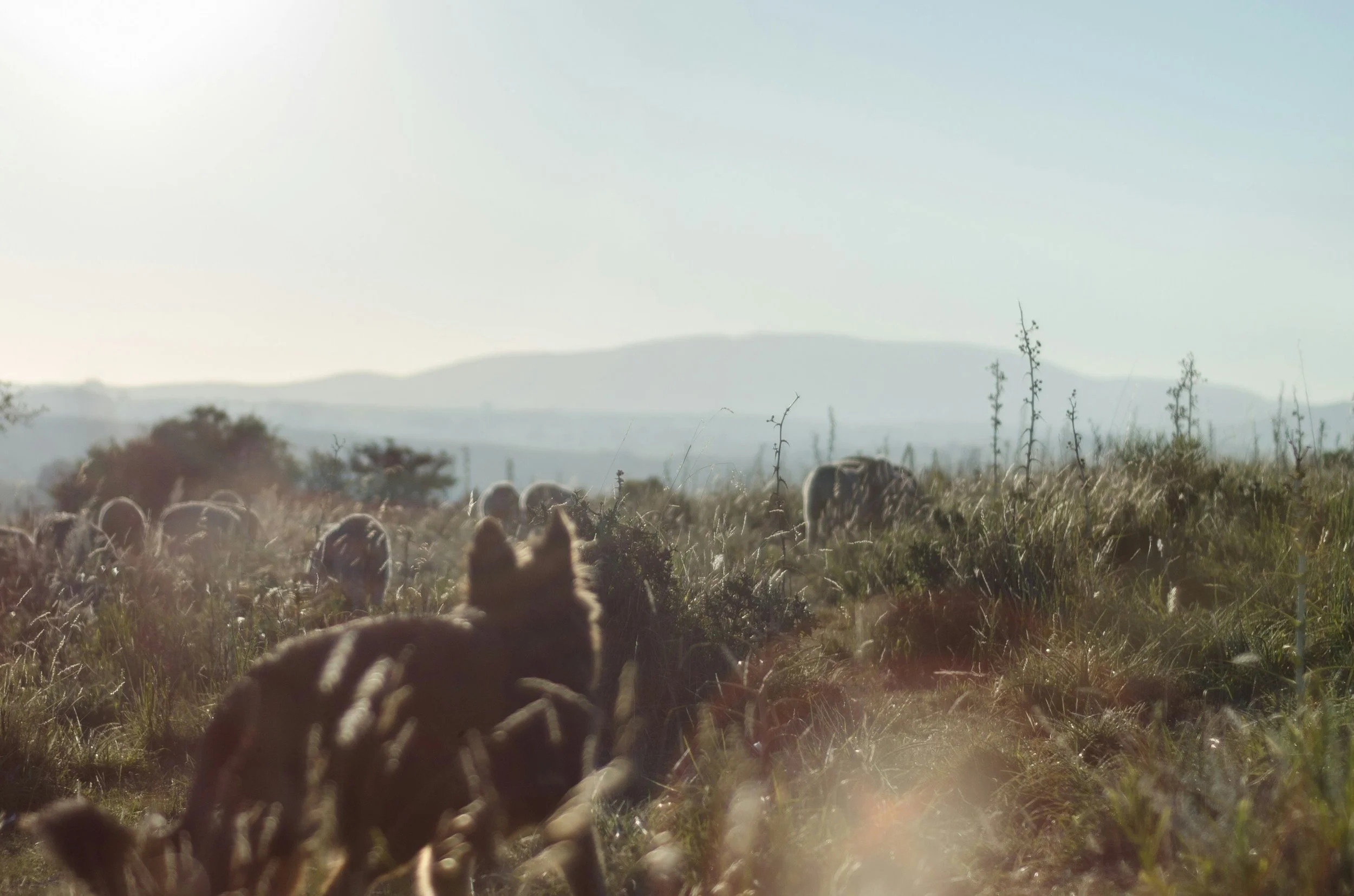
This perspective is now being challenged. Increasing scientific understanding of animal behaviour and species-specific needs, as well as the discussion on animal ethics, are reshaping how ordinary people relate to their pets, encouraging them to see their pet more through the animal’s eyes. At the same time, educational movements that value children’s autonomy and agency are influencing animal training. From horses to dogs, these new training ideals emphasise animal-centredness. In the bigger picture, the tangible effects of the environmental crisis have led many to reconsider humanity’s place at the top of the ecosystem. Together, these shifts are redefining what “ownership” means, or rather, transforming it into an interspecies companionship.
In this new companionship, a pet’s species and breed-specific needs are recognised and met, and reciprocity is key: the human cares for the pet, and the pet, in turn, cares for the human. The care pets provide their humans with, and the comfort and wellbeing brought by this mutual bond feel particularly important in a world that often seems hectic and uncertain.
Change in perspective changes consumption
This new way of thinking about ownership as companionship is transforming pet-related consumption, shifting priorities and guiding decisions in entirely new ways.
1. Reciprocal wellbeing
The idea of care has become more holistic. Alongside nutrition and exercise, people are increasingly attentive to their pets’ mental wellbeing. As a result, demand is rising for categories that promote comprehensive welfare, from pet daycare and enrichment toys to pet-friendly travel. Crucially, caring for one’s pet is also a way of caring for oneself. Preparing a pet’s meals meticulously by hand or spending hours at a herding hobby – or just cuddling together on the couch – are not just acts of care for the needs of pet. They are important, restorative, moments for the human, opportunities to ground oneself in an increasingly hectic everyday life.
“I think it’s important to be close and strengthen your bond with your pet. You’re living with another living creature; it would be strange not to.”
Leevi, 37, Vantaa
2. Trusting expertise
As awareness of animal species-specific behaviour and needs spreads, consumers increasingly expect pet brands to act as experts and offer guidance based on research. Social media provides access to vast amounts of information, but it also makes it difficult to assess what information and which experiences are trustworthy. To earn consumer trust, brands must demonstrate their credibility by doing their research thoroughly and showing that they truly lean on it – for example by making it known that the development of products and services are informed by the latest scientific research.
“It's overwhelming with all the information about food. Recommendations online often contradict each other: ‘don't give grains’ or ‘give grains because if not heart problems occur’.”
Carin, 29, Upplands Väsby
3. Individual choices
In interspecies companionship, it is essential to learn to know one’s companion’s scientifically validated species-specific needs, but also to get to know the pet as an individual. Consumers want to learn their pet companion’s preferences and dislikes, and to interpret the meanings of their behaviour. Pet brands, in turn, must respond to these individualised needs by clarifying what kind of individuals their products and services are best for and helping owners assess what works best for their pet as an individual.
”In the beginning I observed very carefully how my cat reacts to different environments, people and foods. That way I started to understand what she likes and wants.”
Helen, 48, Helsinki
The shift can already be seen in demand
As the relationship between humans and pets evolves from ownership to companionship, the drivers of consumption are shifting too. Holistic wellbeing, awareness of individual needs, and mutual care are informing choices, outweighing aesthetics and trends. This shift is already visible in demand, and it offers brands a clear direction to help people build companionship in everyday life.
Those who make interspecies companionship the guiding principle of their products, services, and communications not only act ethically but also build sustainable growth and trust in world that feels uncertain. Companionship with a pet strengthens human resilience, while species-specific thinking ensures that animal wellbeing remains at the heart of brand development.
*Names of interviewees and pets have been changed.
INTRIGUED AND WANT TO LEARN MORE? GET IN TOUCH!